“In business, diversification is not just a strategy it’s survival.”
Anonymous
In today’s volatile economy, where uncertainty is the only certainty, income diversity is an insurance policy for the future.
A single income stream may work in the good times but when conditions change – market shocks, shifting consumer behaviours, supply chain disruptions, even climate impacts, it can quickly expose vulnerabilities.
Multiple revenue streams help organisations smooth out seasonal fluctuations, absorb unexpected shocks and unlock new opportunities for growth that wouldn’t otherwise be possible.
At its heart, income diversity is about future-proofing and building resilience before it’s needed.
It’s a mindset that challenges businesses to look beyond the obvious, to leverage existing assets in creative ways and find complementary ventures that support long-term sustainability.
This principle is not only financial, but it also strengthens communities and economies.
When a business generates income from multiple sources, it doesn’t just protect itself.
It creates jobs, fosters innovation and provides stability in the regions it serves.
We’re doing just that at Winter Sports World – before we even build Australia’s first indoor snow resort.
Here’s how:
Multiple revenue streams
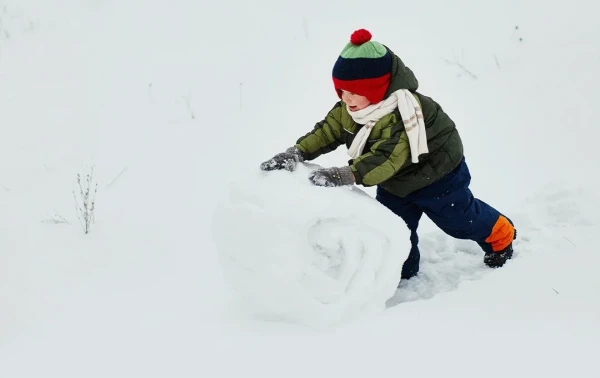
Relying on a single income stream (like just selling slope tickets) is risky and limits their economic impact.
Leveraging multiple complementary revenue streams not only creates a robust business model but enhances visitor experience and encourages return visitations.
- Ski passes & lessons: Ticket sales for slope access will always be the backbone of any indoor snow resort. Winter Sports World will have three: the snow play area, beginner and advanced slopes. Then there’s on-site ski and snowboard lessons (from beginner group classes to advanced clinics) which cultivate a loyal customer base of repeat visitors.
- Equipment rentals & retail: From skis, boards, boots and winter clothing, especially in regions without a strong snow sports culture, many visitors won’t have their own. Meanwhile, pro shops and retail boutiques sell everything from apparel and souvenirs to high-end winter sports equipment.
- Food & beverage: Cafés, restaurants and bars on-site can cater to every visitor, from families warming up with hot chocolate and meals to or adults enjoying après-ski craft beers and cocktails. A well-run F&B operation not only increases guest spending but extends time at the venue. Winter Sports World plans a variety of dining options to capture each market.
- Events & parties: The perpetual winter setting is perfect for events year-round. Think birthday parties, school excursions, holiday festivals (imagine “Christmas in July” with real snow), music or snow sport events. Themed events keep locals coming back. Indoor snow centres often become unique venues for weddings, concerts or snow-themed festivals, offering package deals often in off-peak times.
- Corporate functions & teambuilding: Corporate functions, teambuilding sessions and business conferences bring in clients on weekdays or shoulder seasons.
- Schools: Students can explore science, sport and culture in a unique learning environment with tailored education packages, generating reliable weekday visitation, broaden the customer base across Greater Sydney and help foster the next generation of snow enthusiasts. Excursion programs also encourage repeat visitation with student families.
- International tourists: The novelty of skiing in Australia will be irresistible for passengers flying into the new Western Sydney International Airport just 15km away. Partnering with airlines and tour operators will mean the resort can package ski experiences with broader itineraries, ensuring strong inbound traffic and additional spending across all resort services.
- Hospitality: A connected hotel means revenue from room bookings and conferences and encourages multiday visits. Winter Sports World’s 4.5-star 200-room hotel with conference facilities turns the resort into a true destination where guests “come, play and stay”.
- Tourism & travel packages: Bundling ski sessions with other attractions or accommodations in the region secures a flow of domestic and international tourists. As an anchor attraction, Winter Sports World is expected to draw visitors who then explore more of Western Sydney and neighbouring regions, multiplying tourism dollars.
- Sports development & training: Winter Sports World will host ski clubs, racing competitions and be a year-round training centres for athletes. While not a big money-maker from ticket sales, hosting official sports programs can attract sponsorships, government grants and media exposure. It also cements the resort’s reputation used by professional teams, drawing in spectators and sponsors. Our elite training zone will be available to Olympic hopefuls and local youth programs which, in turn, could bring events and funding.
International success stories

Diversified indoor snow resorts can thrive. Pioneering examples overseas are proof – and provide benchmarks for Winter Sports World
Each of these international examples underscores a key point: diversification is destiny for indoor snow resorts.
By providing an array of attractions and services, they become regional destinations, not just niche facilities.
Regional ripple effect
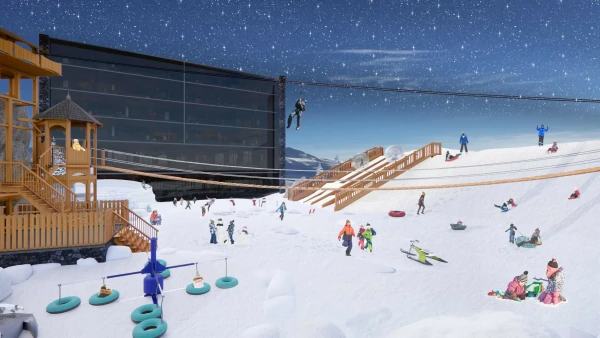
Winter Sports World is the largest private tourism attraction project in Australia right now and the biggest ever for Western Sydney.
It will be an economic catalyst for the wider region by generating indirect employment: suppliers (for snow-making tech, food produce, linens for the hotel), local tour companies, nearby restaurants and shops.
Conservative estimates project about 1.35 million annual visitors to Winter Sports World, each one likely to spend on local accommodation, dining and transport in addition to what they spend at the resort.
With its perfect snow, perfect snow conditions and perfect -4°C snow weather up to 18 hours a day 365 days a year, Winter Sports World will attract locals and visitors, who will come – and spend money – in the centre and the surrounding region in a steady flow throughout the year.
The number of indoor snow centres is going exponentially around the world, and more than 150 of them globally mean they are a proven asset.